

Are SPC Panels Moisture Resistant?
Yes. SPC panels are well suited to humid conditions because their core is made from mineral stone powder and PVC resin, a dense combination that does not absorb moisture from the air. Unlike wood-based boards, the core does not swell, soften, or lose its shape as humidity rises, which is why SPC panels are widely chosen for interiors in tropical and coastal climates.
This article focuses on humidity, the moisture that is present in the air and in the building itself. If your question is about direct contact with water, such as splashes or wet-area use, see our companion article on whether SPC panels are waterproof.
Humidity vs. Liquid Water: Two Different Challenges
Moisture problems in buildings come in two forms, and wall materials face each of them in a different way.
- Liquid water is localized and direct. It comes from splashes, leaks, or cleaning, and it tends to affect specific spots such as seams and edges.
- Humidity is constant and widespread. It acts slowly on every surface in a room, day after day, and it rises and falls with weather, seasons, and ventilation.
In humid regions, the second challenge is the one a wall finish faces most often. A material that tolerates occasional splashes but gradually absorbs damp air will still deteriorate over time. That is why moisture resistance, meaning the ability to stay stable in persistently humid air, is a separate quality worth examining on its own.
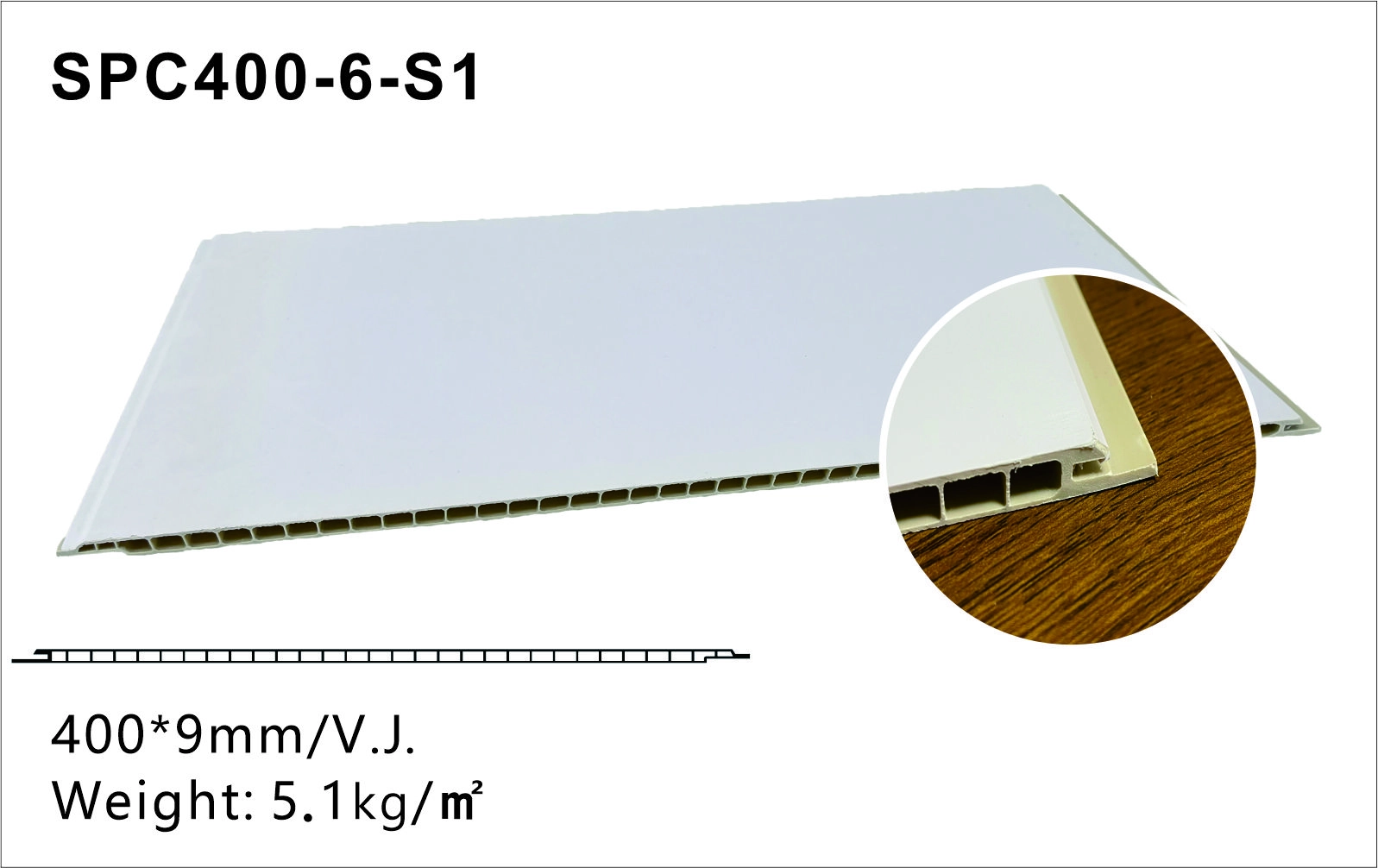
How SPC Panels Behave in Humid Climates
The behavior of SPC panels in humid conditions follows directly from their construction.
The Core Does Not Absorb Moisture
Because the core contains no wood fibers or paper, there is nothing inside it to take up water vapor. The panel therefore does not swell, delaminate from within, or deteriorate from the inside when exposed to damp air for long periods.
Stability Through Changing Conditions
Humidity is rarely constant. It shifts between day and night and from one season to the next. SPC panels hold their dimensions through these cycles, which helps seams stay tight and surfaces stay flat instead of warping or opening up over time.
A General Comparison
The table below gives a general picture of how common wall materials respond to persistently humid air. Actual performance varies by product and conditions.
| Material | Typical Response to Humid Air |
|---|---|
| SPC panels | Core does not absorb moisture; shape and surface stay stable |
| Wood-based boards | Can absorb moisture, swell, and warp over time |
| Gypsum board | Can soften and degrade when damp for long periods |
| Painted walls | Depends on the wall behind; paint may blister or stain in persistent damp |
What Else Affects Performance in Humid Spaces
A moisture-resistant panel performs best when the surrounding conditions are managed. Several factors outside the panel itself can still affect the result.
- Ventilation: rooms with little air movement hold humidity for longer, which puts more stress on every surface.
- Condensation: cooler surfaces in warm, humid rooms can collect condensation, so the thermal conditions of a space matter.
- Moisture behind the panel: if the base wall is damp, or if moisture is trapped behind the panels, the panels will not correct the underlying problem.
- The base wall itself: a wall with an active moisture source should be repaired before any finish is applied.
These are conditions of the building, not weaknesses of the material. Addressing them during planning and installation helps panels deliver the stable, long-lasting result they are capable of.
Choosing and Installing SPC Panels for Humid Environments
For projects in humid climates, a few practical steps make a clear difference:
- Confirm that the base wall is dry and sound before installation begins.
- Make sure the space has adequate ventilation once it is in use.
- Finish edges and corners with matching SPC profiles so cut edges are covered and the wall looks complete.
- Choose a thickness that suits the application. Bingochic offers SPC panels in 6mm, 7mm, 8mm, and 9mm.
Questions to Ask Your Supplier
When humidity is a key concern, ask the supplier which environments the product is intended for and whether supporting documentation is available. For a broader view of where panels are commonly installed, see our guide to what SPC panels are used for.
If your project is in a humid or coastal environment, Bingochic is glad to discuss your conditions and help you confirm a suitable SPC panel specification, including sizes, thicknesses, and matching profiles.
Post time: Nov-24-2026
