

Are SPC Panels Waterproof?
The short answer has two parts. The SPC panel material itself handles water very well: it does not soak up moisture, and it does not swell or break down from the inside the way wood-based boards can. But whether a finished wall is waterproof depends on more than the panel. Joints, edges, and the wall behind the panels all play a part, so it is more accurate to say that SPC panels are highly water resistant than to say a panelled wall is automatically waterproof.
This article explains the difference, why SPC handles water well, where moisture can still cause problems, and how to use panels sensibly in damp areas. For background on how the material behaves once installed, see our article on how an SPC panel works.
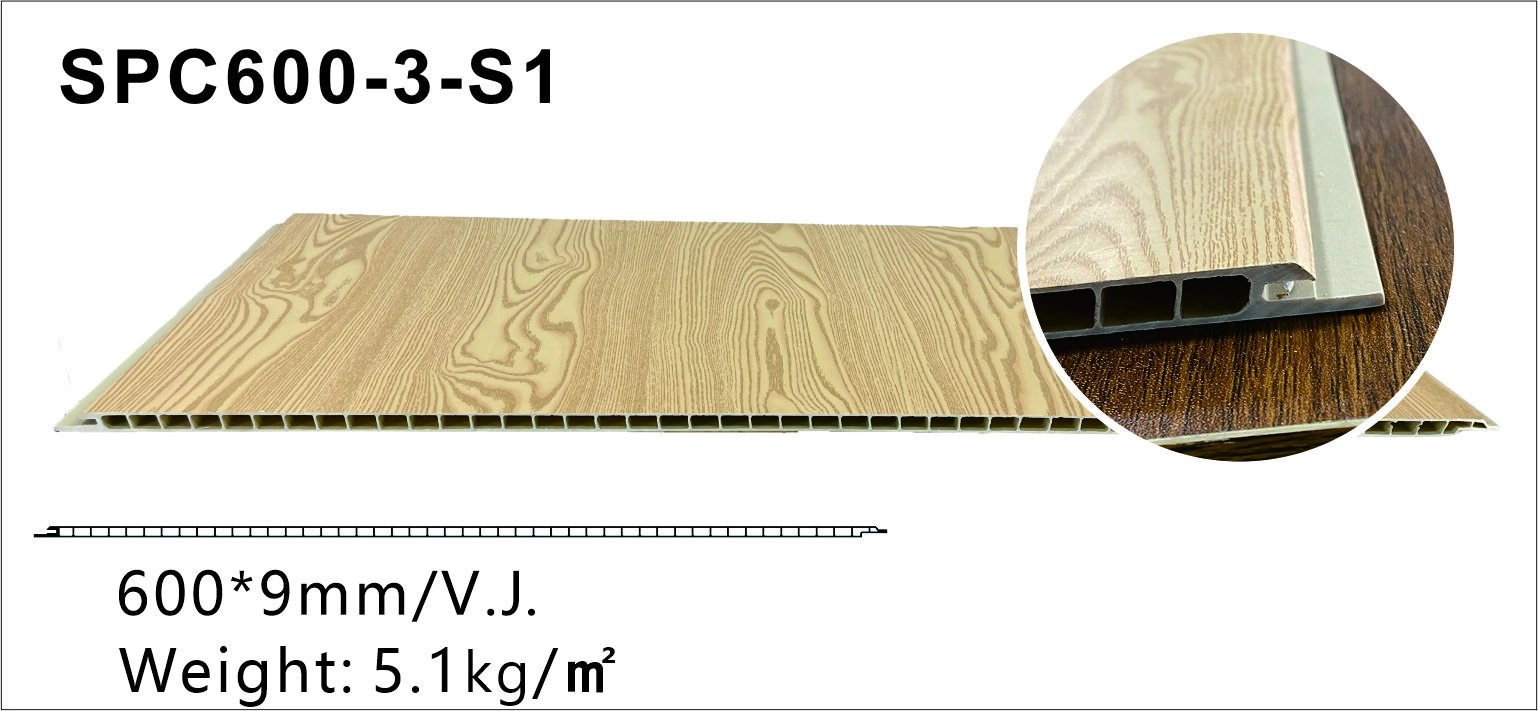
Water-Resistant vs. Waterproof: What the Terms Mean
These two words are often used interchangeably in product descriptions, but they describe different things.
- Water resistant means the material is not easily damaged by water or humidity. It can tolerate moisture, splashes, and damp conditions without absorbing water or losing its shape.
- Waterproof usually means water cannot pass through at all, which for a whole wall depends on how every component is joined and sealed.
Because a panel system is made of many pieces fitted together, the wall as a whole can only be as watertight as its joints and edges. This is why two suppliers can describe the same product differently, and why it pays to ask what a claim actually covers.
Why SPC Material Handles Water Well
The strength of SPC panels in damp conditions comes from what the core is made of. It is formed from mineral stone powder bound with PVC resin, a combination that is dense and does not absorb water. There are no wood fibers inside to take on moisture, so the panel does not swell, warp, or rot from within when conditions are humid.
Stability in Changing Conditions
Because the core stays dimensionally stable, panels keep their shape as humidity rises and falls through the day and across seasons. That helps seams stay tight and surfaces stay flat over time.
A Protective Surface
The surface layers that carry the decorative pattern also help the panel cope with everyday water exposure, such as splashes and the occasional damp cloth during cleaning. Together, these qualities make SPC panels a practical choice for humid climates and rooms where moisture is part of daily life.
Where Water Can Still Cause Problems
Even with a water-resistant panel, moisture can still become an issue if the surrounding details are overlooked. The weak points are not usually the face of the panel but the places where panels meet other things.
- Seams and joints: the lines between panels are where water is most likely to find a way in if it is present in large amounts.
- Cut edges and corners: exposed edges at corners, openings, and the top and bottom of the wall need proper finishing.
- The base wall: if the wall behind the panels has a moisture problem, panels will not fix it, and they may hide it until it becomes more serious.
- Standing or constant water: places that stay wet for long periods or receive direct, repeated water need extra caution.
None of these points is a flaw in the material. They are installation details, and they are the reason a water-resistant panel should not be treated as a complete waterproofing system on its own.
Using SPC Panels in Wet Areas
In bathrooms, kitchens, and other humid spaces, SPC panels can perform well when the details are handled carefully. A few practices make the difference:
- Check that the base wall is dry and sound before installing, and fix any moisture source first.
- Finish edges and corners with matching SPC profiles so cut edges are covered.
- Seal joints and edges where the area is exposed to regular splashing, using a method suited to the product and the location.
- Take extra care in places that receive direct or continuous water, and confirm suitability before choosing panels for them.
Questions to Ask Your Supplier
When water exposure matters to your project, ask the supplier what environments the panel is intended for, how joints and edges should be treated, and whether any supporting documentation is available. Clear answers upfront help avoid misunderstandings later. For examples of where panels are commonly installed, see our guide to what SPC panels are used for.
If your project involves humid or wet areas, Bingochic is glad to discuss your conditions and help you confirm a suitable SPC panel specification, including sizes, thicknesses, and matching profiles.
Post time: Nov-17-2026
