

Are SPC Panels a Good Choice for Interior Walls?
For most interior wall projects, yes. SPC panels combine a dense, moisture-resistant core with a decorative surface, and that pairing solves several problems that traditional wall finishes struggle with: humidity, daily wear, slow installation, and ongoing maintenance. At the same time, no wall material suits every situation, and a good purchasing decision depends on understanding where SPC panels excel and where they need some care.
This article looks at the strengths, compares SPC panels with common alternatives, and sets out the limits worth checking before you order. For examples of where panels are typically installed, see our guide to what SPC panels are used for.
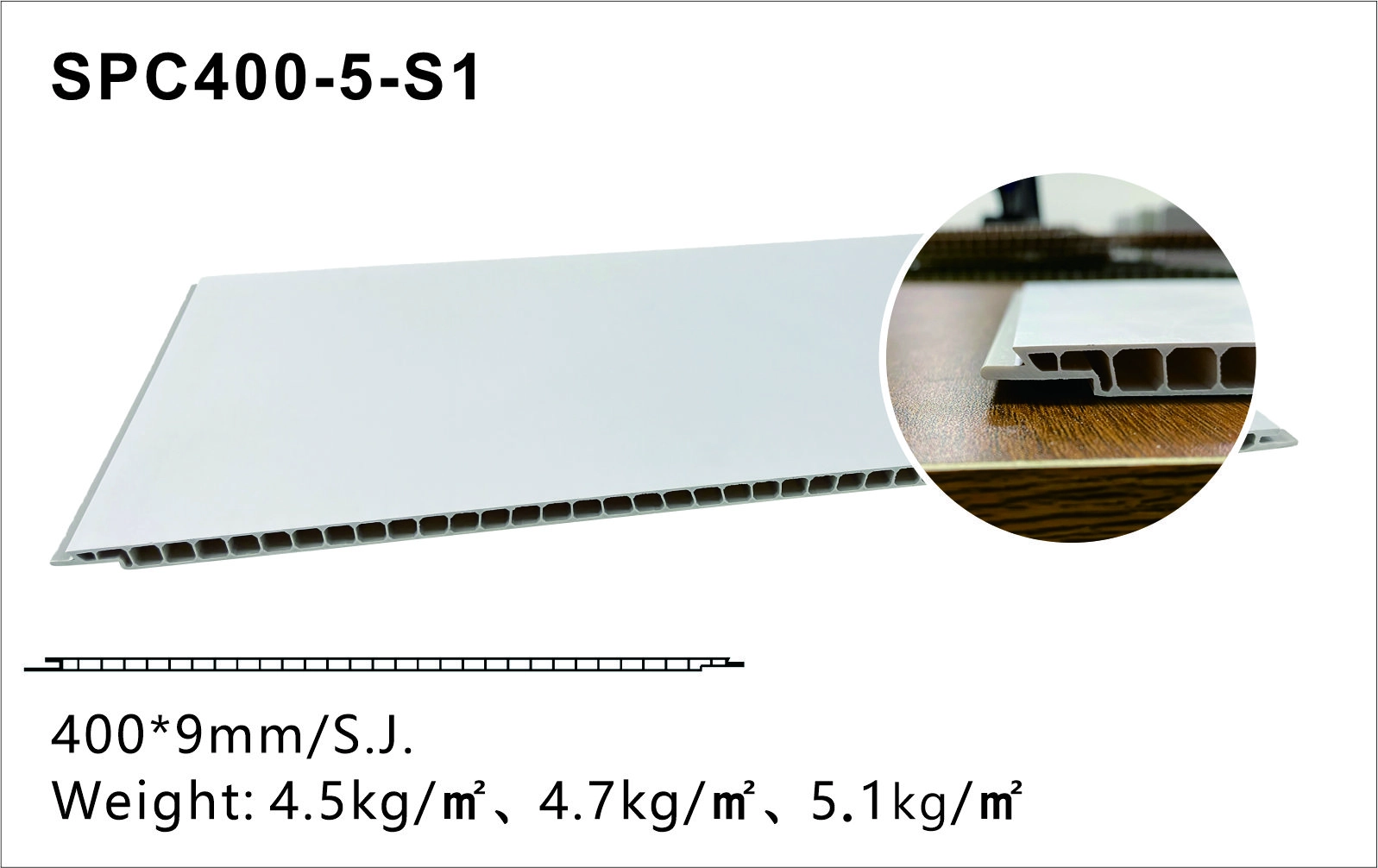
Where SPC Panels Perform Well
The appeal of SPC panels comes from a small set of practical strengths that matter on real projects:
- Moisture tolerance: the mineral-based core does not absorb water the way wood-based boards do, so the material itself is not damaged by normal humidity.
- Dimensional stability: panels resist warping and swelling as temperature and humidity change, which keeps seams tight and surfaces flat.
- Solid, firm feel: the dense composite core gives walls a substantial finish that holds up to everyday contact.
- Easy upkeep: surfaces are generally cleaned with a simple wipe, with no repainting or resealing needed over time.
- Efficient installation: panels are produced in consistent sizes, which helps with layout planning and can shorten installation compared with wet-applied finishes.
Together, these qualities explain why SPC panels are widely used in homes, offices, shops, and hotels, particularly where projects need dependable results without heavy maintenance.
How SPC Panels Compare with Other Wall Finishes
The comparison below gives a general picture of how SPC panels sit alongside common alternatives. Performance varies by product and installation, so treat it as a guide rather than a rule.
| Wall Finish | Moisture Behavior | Installation | Upkeep |
|---|---|---|---|
| SPC panels | Core does not absorb water | Dry-fit panel system, consistent sizes | Wipe clean, no repainting |
| Painted walls | Depends on wall and paint; can peel or stain in damp conditions | Surface preparation and several coats | Periodic repainting |
| Wood paneling | Natural wood can swell or warp with humidity | Skilled fitting, finishing required | Occasional refinishing |
| Ceramic tile | Tile is water-resistant; grout lines need care | Wet trades, longer installation time | Grout cleaning and resealing |
| Wallpaper | Can lift or stain in humid areas | Smooth base needed, careful alignment | Limited durability to wear |
SPC panels are not the cheapest option or the most traditional one in every case, but they offer a balanced mix of moisture tolerance, installation speed, and low upkeep that is hard to match with a single alternative.
Limitations and What to Check Before Ordering
A fair assessment includes the limits. Keeping these in mind helps avoid disappointment and keeps expectations realistic.
Moisture Resistance Is Not Waterproofing
SPC panels themselves tolerate humidity well, but they do not make the wall behind them waterproof. In areas with direct or repeated water exposure, the base wall should still be properly prepared and protected.
The Base Wall Still Matters
Panels sit on top of the existing wall, so a base that is badly uneven or damp can affect how well the panels fit and perform. Checking and correcting the substrate before installation saves problems later.
A Manufactured Surface, Not a Natural One
SPC panels reproduce wood, stone, and other finishes through printing. They offer consistency and practicality, but projects that depend on the character of genuine natural materials may call for a different choice.
Compliance Documents
Requirements for fire performance, emissions, and similar matters differ from one market to another. Buyers should confirm the requirements of the destination market and ask the supplier for the relevant documentation before placing an order.
Is It Right for Your Project?
A few questions usually settle the decision. SPC panels tend to be a strong fit when a project needs:
- Reliable performance in humid or moisture-prone climates and rooms
- A consistent look across large wall areas or many repeated rooms
- Fast installation with minimal wet work, such as in renovations
- Low maintenance over the long term
They deserve more caution where the base wall has serious moisture problems that have not been addressed, or where the design depends on the feel of real natural material. If you are still weighing the material itself, start with our overview of what an SPC panel is.
If you are unsure whether SPC panels suit your project, Bingochic is glad to review your requirements and help you confirm the right panel specification, including sizes, thicknesses, and matching profiles.
Post time: Nov-04-2026
